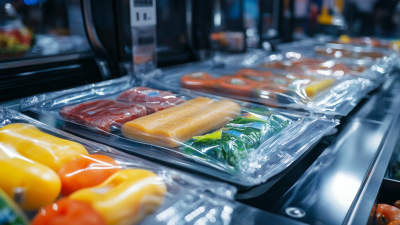
Top 10 Universal Vacuum Sealer Bags for Optimal Food Storage?
When it comes to food preservation, using the right tools is essential. Expert John Miller, a leading voice in the vacuum sealing industry, once stated, "Quality is key when selecting Universal Vacuum Sealer Bags." His insight emphasizes how proper storage can extend longevity and preserve flavor.
Universal Vacuum Sealer Bags are important for both home cooks and chefs. They effectively remove air and seal in freshness. High-quality bags prevent freezer burn and extend shelf life. Choosing the right bag can be overwhelming, with numerous options available. Many consumers overlook the importance of material and thickness.
Investing in Universal Vacuum Sealer Bags may seem trivial, yet poor choices can lead to wasted food. Some bags may puncture or fail under pressure. Not all bags fit every sealer, causing frustration. Educating yourself about the features of these bags can enhance your food storage practices. Small details, like proper sealing techniques, also matter. Before purchasing, reflect on your needs carefully.
Types of Universal Vacuum Sealer Bags Available in the Market
Universal vacuum sealer bags are essential for preserving food freshness and extending shelf life. Various types are available in the market. Common options include standard multi-layer bags, heavy-duty bags, and embossed bags. Each type serves a specific purpose, ensuring food remains safe and flavorful.
Standard multi-layer bags are typically used for everyday storage. They are lightweight and effective for items without sharp edges. On the other hand, heavy-duty bags cater to more demanding needs. According to industry reports, these bags can resist punctures up to 50% better, making them ideal for meats and other bulky items. Embossed bags offer unique designs that enhance air removal, which some studies suggest can increase storage time by more than 50%.
Despite the advantages, choosing the right bag can be confusing. Users often overlook the importance of proper sealing techniques. Not all bags may be compatible with every vacuum sealer model. Misalignment can lead to air seeping in. This error reduces the effectiveness of storage, leading to spoilage. Understanding the nuances of each bag type can significantly impact food preservation success.
Key Features to Consider When Choosing Vacuum Sealer Bags
When choosing vacuum sealer bags, several key features make a significant difference. Material quality is crucial. Look for bags made from BPA-free materials to ensure safety. The thickness of the bag also affects durability. Thicker bags resist punctures and tears better, enhancing food preservation.
Consider the seal quality as well. A strong, airtight seal prevents freezer burn and extends shelf life. Check if the bags are compatible with your vacuum sealer type. Some designs fit specific machines better than others. Additionally, it’s worth noting that not all bags are heat-resistant. High-temperature resistance is essential for sous-vide cooking.
Pay attention to the size options available. Versatile bag sizes cater to various food types. Smaller bags may be ideal for snacks, while larger bags accommodate bulk items. Despite these features, many users overlook these details. This might lead to food waste due to improper storage. Therefore, investing time in understanding these options is wise for optimal results.
Top 10 Recommended Universal Vacuum Sealer Bags for Food Storage
Vacuum sealer bags are essential for preserving food quality. They keep items fresh, reduce freezer burn, and offer longer shelf life. Choosing the right ones can be overwhelming. Various options exist, each with unique features. Universal bags are versatile and compatible with most vacuum sealers. This flexibility makes them particularly appealing for diverse household needs.
Tips for effective food storage: Consider using thicker bags for items with sharp edges. This protects the bag integrity and ensures a tight seal. Remember that the sealing process must be precise. Any air left in the bag can lead to spoilage. Not all vacuum bags are created equally. Look for options that indicate multi-layer construction. These bags often provide better durability and protection against moisture.
It’s crucial to check the storage conditions as well. Even well-sealed food can spoil if stored improperly. Always consider temperature and humidity. Sometimes, bags that are ideal for dry foods may not work as well for liquids. Experimenting with different bags leads to a better understanding of what works best for your kitchen. Embracing this trial-and-error approach can significantly improve your food storage methods.
Top 10 Universal Vacuum Sealer Bags for Optimal Food Storage
| Rank |
Bag Size (inches) |
Material |
Features |
Price ($) |
| 1 |
8 x 10 |
Multi-layer Plastic |
Heavy-duty, BPA-free |
19.99 |
| 2 |
11 x 12 |
Heavy Gauge Plastic |
Puncture-resistant, freezer-safe |
24.99 |
| 3 |
6 x 10 |
Nylon & Polyethylene |
Microwave-safe, reusable |
14.99 |
| 4 |
10 x 13 |
Heavy-Duty Multi-layer |
Sous vide compatible |
22.99 |
| 5 |
12 x 16 |
Multi-layer Nylon |
Tear-proof, reusable |
29.99 |
| 6 |
8 x 12 |
Polymer Blend |
Freezer safe, high barrier |
17.99 |
| 7 |
10 x 10 |
Multi-layer Film |
Steam safe, vacuum seal |
21.99 |
| 8 |
7 x 11 |
Food-grade Plastic |
Lightweight, eco-friendly |
12.99 |
| 9 |
12 x 12 |
Heavy-duty Film |
Pre-cut, easy to use |
25.99 |
| 10 |
9 x 13 |
Multi-layer Material |
Durable, puncture resistant |
15.99 |
Comparative Analysis: Performance of Each Vacuum Sealer Bag
When selecting vacuum sealer bags, performance varies significantly among choices.
Thickness is crucial; thicker bags resist punctures better and provide a superior seal.
Conversely, thinner bags are often less effective at maintaining an airtight environment.
Testing these bags in real-world scenarios shows that user experience often influences bag longevity.
Many find that extra protection can be crucial for long-term storage.
Moisture retention is another factor to consider. Some bags perform better than others in keeping moisture out.
This is vital for storing meat or fish. Research indicates that the best bags show minimal air leakage over time.
However, inconsistencies can arise, leaving some users disappointed.
It’s also essential to think about the materials used, as not all bags are designed for the same foods.
Some may be safe for freezing, while others may not withstand high temperatures.
User feedback highlights a notable concern—many bags do not fit all sealing machines.
This misalignment can lead to wasted food and frustration.
Durability becomes even more critical for those with busy kitchens.
In some cases, bags lose their vacuum easily, raising questions about reliability.
Testing various applications is advised to find the ideal fit for specific needs, as not every bag meets all expectations.
Tips for Proper Use and Maintenance of Vacuum Sealer Bags
Proper use and maintenance of vacuum sealer bags are crucial for optimal food storage. Studies show that stored food can retain top quality for up to five times longer when vacuum-sealed, according to the Food and Drug Administration (FDA). However, improper handling can negate these benefits. For instance, ensuring a clean surface before sealing can prevent contamination. Always check for tears or punctures in bags before use. This simple step can save food from spoilage.
When sealing food, it's essential to leave enough space at the top. The FDA recommends a minimum of three inches from the product’s top. This space helps the machine create an effective seal. Furthermore, while the modern vacuum sealers are efficient, they can't fix a poor sealing technique. Bags that are sealed improperly can allow air in, leading to freezer burn and spoilage. Regular maintenance of the vacuum sealer itself is equally important. Clean the sealing strip and check for any damage to ensure consistent performance.
Storage conditions also play a role in maintaining bag integrity. Keep sealed bags in a cool, dark place. Light and heat can degrade the material over time. Even with careful sealing, food stored in bags left out in warmer areas may not last as long. Thus, reflective practices and vigilance in maintaining both bags and storage conditions are key to achieving longevity in food storage.
Top 10 Universal Vacuum Sealer Bags for Optimal Food Storage
This chart presents the popularity of different sizes of universal vacuum sealer bags, showcasing their ratings out of a maximum of 100. The data highlights consumer preferences and can guide your choices for optimal food storage solutions.