Top 10 Benefits of Using Aluminum Foil Bags for Packaging?
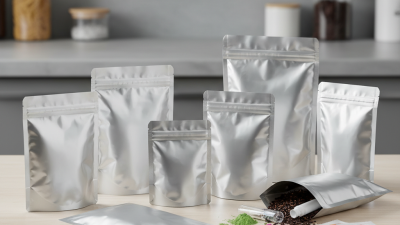
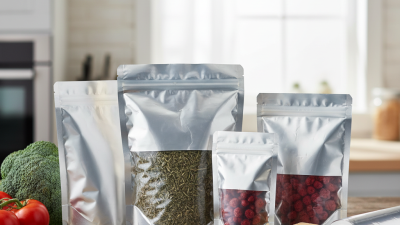
In the world of packaging, Aluminum Foil Bags offer numerous advantages that stand out. These versatile bags are not just simple wrappers; they provide a protective barrier against moisture, light, and oxygen. This unique property helps extend the shelf life of various products, ensuring freshness and quality.
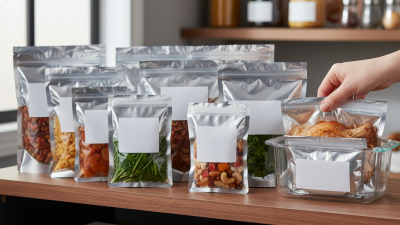
Aluminum Foil Bags combine functionality with practicality. They are lightweight, making them easy to handle and transport. Their flexibility allows for various sizes and shapes, catering to different packaging needs. Moreover, their ability to prevent spoilage makes them ideal for food, cosmetics, and pharmaceuticals.
While the benefits seem significant, it’s important to consider the environmental impact. Recycling aluminum is essential to mitigate waste. As the demand for sustainable practices grows, the balance between convenience and eco-friendliness is a crucial reflection for manufacturers.
Top 10 Benefits of Using Aluminum Foil Bags for Packaging
Aluminum foil bags offer unique advantages in the packaging industry. One of the main benefits is their ability to provide exceptional barrier protection. According to a recent market analysis by Smithers Pira, aluminum bags can block moisture, light, and oxygen effectively. This feature significantly extends the shelf life of products, which is crucial for food and pharmaceuticals.
Moreover, aluminum foil bags are lightweight and cost-effective. A report by Freedonia Group indicates that using aluminum for packaging can lower shipping costs by reducing weight. The flexible nature of these bags allows for efficient storage, as they can be easily stacked or stored without losing their integrity.
However, some may argue that aluminum production impacts the environment. This raises questions about sustainability in packaging choices. It is essential to balance the benefits of product protection with ecological considerations. Companies should explore recyclable options or biodegradable alternatives without compromising functionality.
Enhanced Barrier Properties Against Moisture and Oxygen
Aluminum foil bags are becoming a popular choice for packaging due to their excellent barrier properties against moisture and oxygen. These bags provide a tight seal that prevents air and humidity from entering. This is critical for preserving the freshness of perishable items. The durability of aluminum foil also supports long-term storage, making it ideal for food products and other sensitive materials.
One of the standout features of aluminum foil bags is their ability to extend shelf life. By blocking out light, moisture, and oxygen, they help maintain the quality of the product inside. However, it’s essential to ensure that the sealing process is done correctly. Improper sealing can lead to exposure, undermining all the benefits. Additionally, while aluminum is effective, it's not foolproof. Factors like temperature and handling can influence its performance.
Using aluminum foil bags also presents an environmental challenge. While they are recyclable, many facilities do not process them. Consumers need to be educated about proper disposal methods. Awareness around recycling can enhance the overall sustainability of using these bags. Balancing performance with environmental impact is an ongoing concern that manufacturers and consumers must address.
Cost-Effectiveness Compared to Alternative Packaging Materials
Using aluminum foil bags for packaging is gaining traction due to their cost-effectiveness compared to other materials. According to a report by Smithers Pira, the flexible packaging market is growing at a rate of around 4.4% per year. This growth highlights the increasing reliance on materials like aluminum foil, which offer durability and flexibility at lower costs.
Aluminum foil bags provide excellent barrier properties. They protect products from moisture, oxygen, and light, which prolongs shelf life. In fact, research from the Flexible Packaging Association indicates that flexible packaging can reduce costs by as much as 30% compared to rigid packaging. This economic advantage is compelling for many businesses aiming to streamline expenses while maintaining product integrity.
However, not all applications may benefit equally from aluminum foil bags. Challenges such as recycling and environmental impact arise. While these bags are often not recyclable in standard facilities, innovations are underway in the industry to address these concerns. Companies may need to weigh these factors before making a decision. Ultimately, the balance between cost savings and sustainability will shape future choices in packaging materials.
Sustainability and Recyclability of Aluminum Foil Bags
Aluminum foil bags are gaining recognition for their sustainable attributes. Made primarily from recyclable materials, these bags can significantly reduce waste. The recycling process for aluminum is well-established, allowing for a closed-loop system that lessens the need for new raw materials. When consumers choose aluminum foil bags, they are supporting a more sustainable packaging solution.
However, the recycling rates for aluminum foil bags do vary by location. Not all recycling facilities accept them, leading to potential confusion for consumers. This inconsistency can sometimes hinder the overall impact of these bags. Improvements in public awareness and education about recycling practices are essential. Ensuring that more facilities can accept aluminum packaging will enhance sustainability efforts.
Additionally, aluminum foil bags are lightweight, which helps reduce transportation emissions. They also provide excellent barrier properties, extending the shelf life of products. While they are not entirely perfect, their potential for recycling and reuse presents an opportunity. Exploring new innovations in packaging can further refine their environmental footprint. Overall, aluminum foil bags stand as a step toward more sustainable packaging solutions.
Top 10 Benefits of Using Aluminum Foil Bags for Packaging
| Benefit |
Description |
Sustainability Aspect |
| Lightweight |
Aluminum foil bags are significantly lighter than glass or some plastic containers, reducing shipping costs and energy use. |
Reduced carbon footprint during transportation. |
| Barrier Properties |
They provide excellent barrier protection against moisture, light, and oxygen, preserving product freshness. |
Minimizes food waste. |
| Recyclability |
Aluminum can be recycled indefinitely without losing quality, promoting a circular economy. |
Supports recycling initiatives and reduces landfill waste. |
| Customizable |
They can be easily customized in size, shape, and print, enhancing branding opportunities. |
Supports brand differentiation while promoting sustainability. |
| Non-toxic |
Aluminum is a safe material that doesn’t leach harmful chemicals into food, ensuring product safety. |
Promotes consumer health and safety. |
| Cost-effective |
They are often more cost-effective than glass or rigid plastic packaging solutions. |
Lower manufacturing and shipping costs contribute to economic sustainability. |
| Heat Resistance |
Aluminum foil bags can withstand high temperatures, making them suitable for various cooking methods. |
Encourages the use of energy-efficient cooking practices. |
| Tamper-evident |
These bags often feature tamper-evident seals, enhancing product security. |
Increases consumer trust in product safety. |
| Versatile Applications |
Suitable for various products, including food, chemicals, and pharmaceuticals. |
Provides flexibility in product packaging across industries. |
| Aesthetic Appeal |
The reflective surface of aluminum gives a premium look to products. |
Enhances consumer perception of quality. |
Lightweight Design Leading to Reduced Shipping Costs
Aluminum foil bags are an excellent packaging choice due to their lightweight design. This feature significantly reduces shipping costs, making them ideal for businesses looking to minimize expenses. A lighter package means lower weight fees, especially with shipping carriers that charge based on weight. Many companies overlook this detail, yet it can dramatically impact the bottom line.
Moreover, these bags protect contents without adding unnecessary bulk. Companies often aim to ensure product integrity and reduce waste. Lightweight packaging is a clever solution. However, proper sealing is essential. Poorly sealed bags can lead to spoilage, which contradicts the savings from lighter packaging.
Consider the following when using aluminum foil bags. Ensure the bag is strong enough for your product. Test different sealing techniques to find what works best. Regularly evaluate costs associated with shipping weight, as rates can change. Focusing on these aspects helps achieve efficiency without sacrificing quality.
Conclusion
Aluminum foil bags have gained popularity in the packaging industry due to their numerous advantages. One of the primary benefits is their enhanced barrier properties, which effectively protect products from moisture and oxygen, preserving freshness and extending shelf life. Additionally, these bags offer a cost-effective solution compared to many alternative packaging materials, making them a financially smart choice for businesses.
Sustainability is another significant advantage, as aluminum foil bags are recyclable, contributing to environmentally friendly practices. Their lightweight design also leads to reduced shipping costs, enhancing overall efficiency. Moreover, aluminum foil bags can be customized in terms of size and print, allowing brands to create distinctive packaging that stands out in the market. Collectively, these benefits illustrate why aluminum foil bags are an excellent choice for various packaging needs.