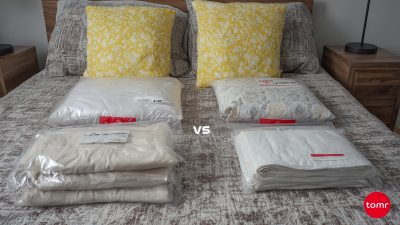
2026 How to Choose Vacuum Storage Bags for Pillows?
The rising demand for effective storage solutions has led to the popularity of Vacuum Storage Bags for Pillows. A recent industry report noted that the global vacuum storage bag market is expected to reach $1.5 billion by 2026, reflecting a growing awareness of space-saving solutions in households. These bags are essential for not only saving space but also protecting pillows from dust mites, moisture, and allergens.
Multi-layer technology in vacuum storage bags ensures durability and air-tightness. However, not all vacuum storage bags are created equal. Factors such as material thickness and the seal quality can significantly impact performance. It's vital to consider these elements to avoid unpleasant surprises. In choosing the right vacuum storage bags, one must focus on trusted brands that provide clear specifications and consumer reviews to gauge reliability.
Furthermore, the environmental impact of storage solutions can be a point of reflection. Many bags are made from plastic, raising sustainability concerns. While they contribute to reducing clutter, it's essential to think about the lifecycle of these products. Choosing the right vacuum storage bags involves balancing practicality with ecological responsibility.
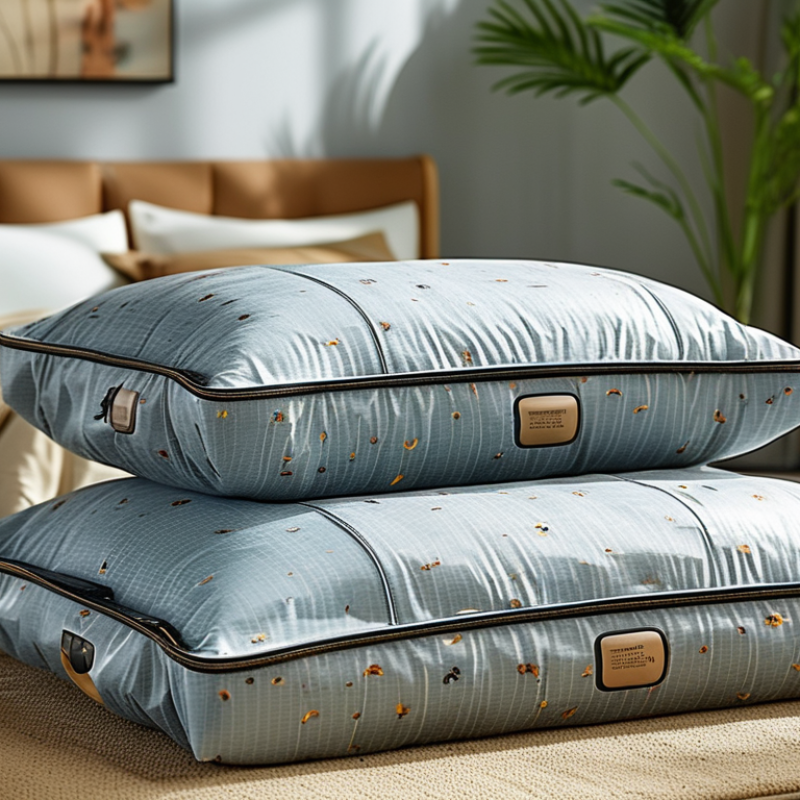
Understanding Vacuum Storage Bags for Pillows: An Overview
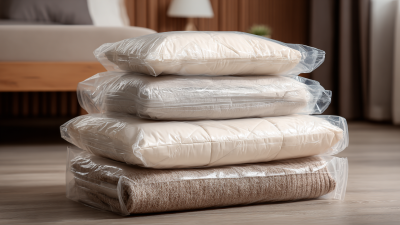
Vacuum storage bags are essential for efficiently storing pillows. They help save space by removing excess air. This process compresses the pillow, making storage easier. According to recent studies, using vacuum storage can save up to 75% of space in closets. This efficiency is a game-changer, especially for smaller living spaces.
Choosing the right vacuum storage bag for pillows requires some knowledge. Not all bags are equal. Look for bags that have double-zip seals and reinforced seams. These features ensure durability and prevent leaks. Some reports indicate that a significant percentage of users experience leaks in low-quality bags. It's important to consider quality as well as price.
Many consumers underestimate the importance of size. Selecting the wrong size can lead to wasted space or an inability to seal completely. Also, remember that not all pillows can be compressed. Memory foam pillows, for example, may not fit well in vacuum bags. This need for careful consideration highlights the complexity of selecting the right product.
2026 How to Choose Vacuum Storage Bags for Pillows? - Understanding Vacuum Storage Bags for Pillows: An Overview
| Feature |
Description |
Benefits |
| Material |
Usually made from multi-layer polyethylene or nylon |
Durable and resistant to wear and tear |
| Size |
Available in various dimensions for different pillow sizes |
Ensures a proper fit to maximize space savings |
| Closure Type |
Zip closure, airtight design |
Prevents air from entering and ensures compression |
| Capacity |
Can hold 1-2 pillows depending on the bag size |
Efficient storage for seasonal or extra pillows |
| Vacuum Pump |
Manual pump or electric pump compatibility |
Ease of use and better vacuum efficiency |
| Reusability |
Can be reused multiple times |
Cost-effective and environmentally friendly |
| Design Features |
Transparent for easy visibility, color-coded sizes |
Quick identification and appeal |
Key Features to Consider When Choosing Vacuum Storage Bags
When choosing vacuum storage bags for pillows, consider several key features to ensure optimal storage. The capacity of the bag is crucial. Research indicates that larger bags can hold up to 5 pillows, saving significant space. However, don’t overpack them. Overstuffing can compromise the vacuum seal, reducing effectiveness.
Material matters too. Many bags use thick, puncture-resistant plastic that retains its integrity over time. This durability prevents leaks and keeps your pillows fresh. Look for bags with a double-zipper seal. This feature enhances airtight storage, maintaining hygiene and prolonging the life of your pillows. According to a report by the International Home & Housewares Association, well-sealed storage bags can prevent mold and mildew growth.
Tips: Regularly check the condition of your bags. If you notice signs of wear, consider replacing them. Also, avoid storing pillows in damp areas, as moisture can weaken seals. Choose the right bag size for your storage needs; a bag that’s too small may not provide adequate protection.
Comparing Material Types: Plastics and Fabrics in Storage Bags
When it comes to vacuum storage bags, choosing the right material is essential. Two primary options are plastics and fabrics. Each type offers distinct advantages and potential drawbacks.
Plastic bags are often more affordable and effective in creating a tight seal. They can withstand significant compression, which is perfect for bulky pillows. However, they may not be as breathable, which can lead to moisture buildup over time.
On the other hand, fabric storage bags tend to be more breathable. This feature can help prevent mold and mildew, especially in humid environments. Fabric options might not provide the same level of compression as plastic, but they offer durability. Some users find that fabric bags maintain their shape better, allowing for easier stacking in closets.
Consider your specific storage needs. Reflect on where and how you plan to store your pillows. If you have concerns about humidity, fabric might be the better choice. Too much reliance on plastic could lead to unpleasant surprises. Balancing these material types can help ensure your pillows remain in top condition. Always check the quality, as not all bags are created equal.
Optimal Size Selection for Different Pillow Dimensions
When choosing vacuum storage bags for pillows, size matters. Different pillows vary in dimensions, and selecting the right bag is vital. Many users overlook this. They often buy a standard size, leading to wasted space. A bag that is too large may not compress effectively, and one that is too small can strain seams.
For optimal storage, measure your pillows carefully. Use a measuring tape to determine length, width, and thickness. Standard sizes vary, so take notes. It’s easy to dismiss this step, but it ensures a snug fit. You want your pillows to be as compact as possible without damaging them.
Tips: Consider the pillow materials. Memory foam and down pillows may compress differently. Choose a bag that accommodates their unique properties. This choice can affect durability. Be mindful of sealing. A good seal is key to preventing air from entering, which keeps your pillows fresh. Aim for a seal that feels secure, even if it seems imperfect at first. Testing the bags you choose is wise. Make adjustments as necessary to achieve optimal results.
2026 How to Choose Vacuum Storage Bags for Pillows?
Analyzing Compression Efficiency: Storage Volume Reduction Data
When selecting vacuum storage bags for pillows, understanding compression efficiency is vital. The primary goal is to reduce storage volume and maximize space. Different bags can offer varying levels of compression. Some can shrink your pillows to less than half their original size, making them ideal for small closets or under beds.
Data analysis shows significant differences among options. For instance, bags made with durable materials may provide better air sealing. This means they retain their compact size longer. However, some users find that lower-quality bags often inflate over time. You may need to reassess their effectiveness after several uses. It’s frustrating to unpack pillows only to find they’ve lost their shape.
Choosing the right bag also depends on pillow material. Down pillows tend to compress better than synthetic ones. If you prioritize space, opt for bags tailored for down. Still, it’s important to remember that extreme compression might affect loft when you repack. Test the bags with various pillows to determine their performance. This hands-on approach will help you make the best decision.