Top 10 Clothes Vacuum Bag Tips for Maximum Space Saving?
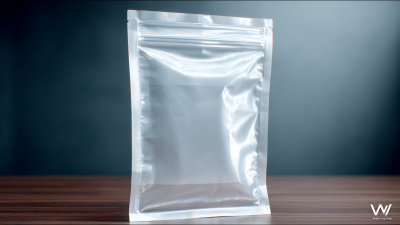
Clothes Vacuum Bags have become essential in modern storage solutions. These innovative bags promise to optimize space effectively. Expert Maria Johnson, a leading authority in home organization, states, “Clothes Vacuum Bags can double your storage efficiency.” Her insights highlight the importance of understanding how to use these bags wisely.
Many people underestimate the potential of these bags. They often pack items loosely, leading to suboptimal results. Instead, a more structured approach can yield better outcomes. Properly rolling clothes and expelling air maximizes the space available. It is not just about fitting more; it’s about maintaining the integrity of your clothes.
Additionally, it's easy to forget that overstuffing can damage fabric over time. Using these bags requires balance. They are a fabulous tool but demand thoughtful use. By taking time to learn effective methods, you truly unlock their benefits. With the right techniques, a Clothes Vacuum Bag transforms clutter into organized bliss.
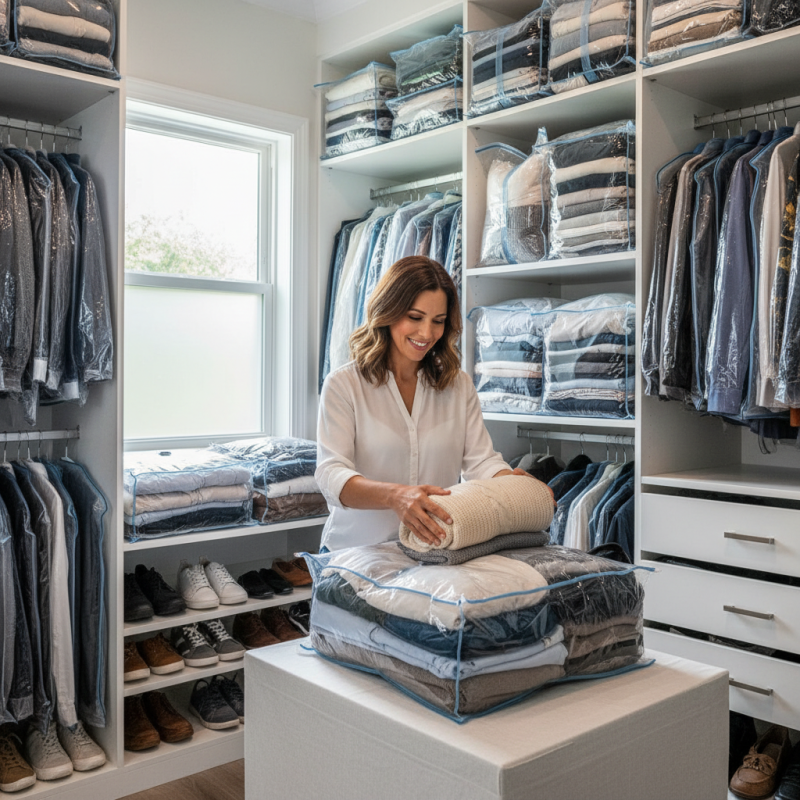
Understanding Clothes Vacuum Bags: Mechanism and Benefits
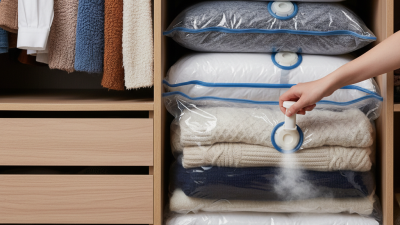
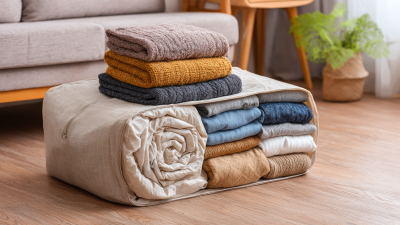
Clothes vacuum bags offer an effective solution for space-saving. They work by removing air from the bags, compressing clothing. This process can reduce storage volume by up to 80%. According to data from the Home Organization Research Institute, users often save an average of 10 cubic feet of space per bag. This is a significant advantage for urban dwellers with limited storage options.
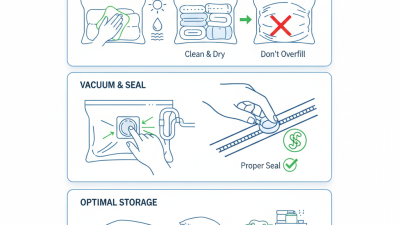
Understanding the mechanism helps maximize benefits. When packing, ensure items are clean and dry. Wet or dirty clothes can promote mold growth inside the bag. A common mistake is overpacking. Experts advise leaving some room in the bag for optimal vacuum sealing. Users sometimes underestimate their storage needs. Not all clothes compress equally, impacting the efficiency of space savings.
Vacuum bags come with various options, including different sizes and thicknesses. Thicker bags offer better protection against punctures but may cost more. Awareness of proper storage conditions can extend the lifespan of vacuum-sealed items. Heat and humidity can compromise the integrity of the vacuum-sealed items. Reflect on these factors to enhance your experience with clothes vacuum bags.
Choosing the Right Vacuum Bag: Types and Materials Explained
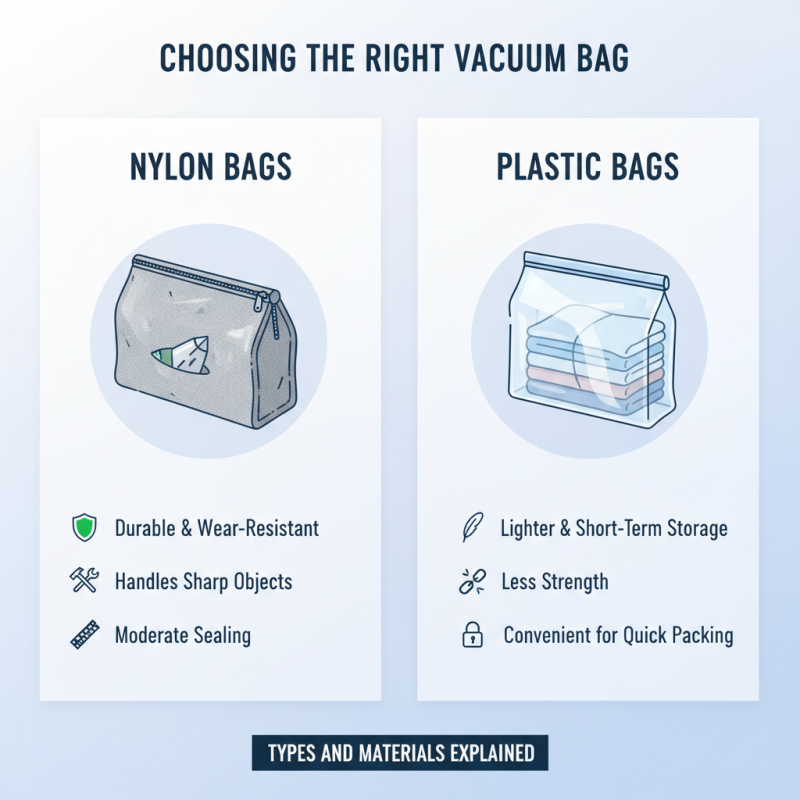
When it comes to vacuum bags, choosing the right type is crucial. There are various materials available, each serving a unique purpose. For example, nylon bags are durable and resistant to wear. They can handle sharp objects well, but they might not offer the best sealing capability. Plastic bags, on the other hand, are lighter and great for short-term storage. They often lack the strength of nylon but are convenient for quick packing.
Different sizes are also essential. Larger bags can hold bulkier items but may waste space if not filled properly. It's sometimes tempting to overfill these bags, which can lead to leaks and poor compression. Smaller bags are easier to manage, but they restrict what can be stored. Finding a balance that works for your needs can be difficult. Experimenting with various types will help identify the best fit for your belongings and space constraints.
Remember to consider your specific storage environment. High humidity can damage materials, even in vacuum-sealed bags. Not all bags offer effective moisture protection. Testing a few options in different conditions might reveal unexpected flaws. Understanding these factors can lead to better choices and more efficient space-saving.
Optimal Packing Techniques: Maximizing Capacity and Compression
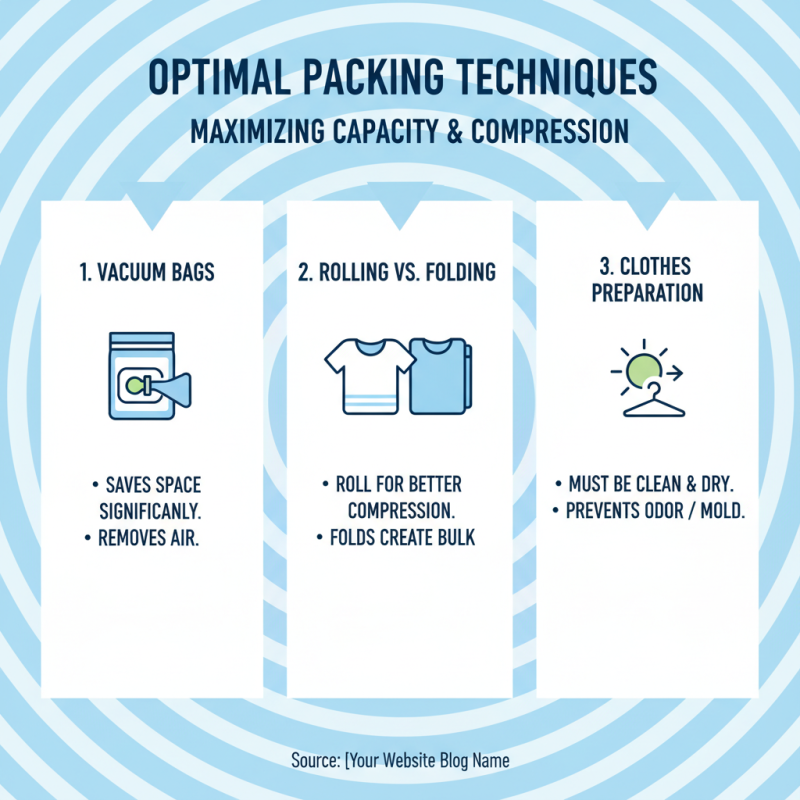
Packing efficiently with vacuum bags can save a lot of space, but technique matters. Rolling clothes instead of folding them allows for better compression. Ensure the clothes are clean and completely dry. This prevents any dampness that could lead to odors or mold.
When using vacuum bags, avoid overstuffing them. It's tempting to squeeze in extra items, but this can lead to bag breakage. Instead, choose a few core pieces that you need and pack them thoughtfully. Use bags of different sizes to fit various items snugly. This maximizes the space without sacrificing protection.
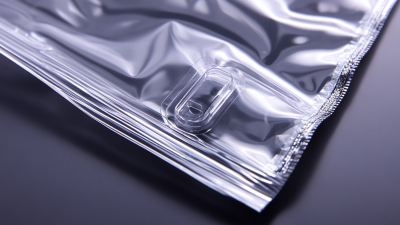
Attention to detail is crucial. Always check seals to ensure they're airtight. Sometimes, bags don’t compress evenly, and you might end up with bulges. Make adjustments to achieve a flat profile. A little patience goes a long way in achieving that optimal packing. Remember, the goal is not just space-saving but also organization.
Storage Conditions: Ensuring Longevity of Vacuum-Sealed Clothes
When storing vacuum-sealed clothes, storage conditions significantly impact their longevity. Keep the bags in a cool, dry place away from sunlight. Humidity can lead to mold growth, damaging your favorite outfits. Avoid areas like attics or basements with fluctuating temperatures. Once sealed, check the bags periodically. Look for any signs of moisture or damage.
Here are some tips to maximize your space when using vacuum bags. Use bags specifically designed for clothing and ensure they are fully sealed. Fill each bag without overstuffing it. This prevents seams from breaking and keeps clothes safe. Incorporate small items, like scarves, to fill gaps.
Consider the material of the bags. Some are more durable than others and prevent rips. If a bag gets a hole, don't ignore it. Reseal it or transfer the clothes to a new bag. Mismatched storage might be tempting, but it’s important for protection. Also, take care when removing clothes. Pull slowly to avoid damaging the fabric.
Safety Considerations: Preventing Damage to Fabrics and Contents
When using vacuum bags for clothing storage, safety is crucial. One common mistake is overfilling the bags. Excessive packing can lead to fabric damage. According to a study by the Textile Research Journal, compressed fabrics can lose their natural properties if stored incorrectly. Ensuring that there is enough room for airflow is vital to maintain fabric integrity.
One effective tip is to fold clothes neatly before packing. This prevents creasing and ensures even compression. In addition, synthetic materials often perform better under vacuum than natural fabrics. Certain delicate fabrics, like silk, should never be vacuum packed. They may become crushed or lose their luster. Use soft garment bags for these items to provide safe storage.
Be mindful of storage conditions. High humidity can lead to mold growth, even in vacuum-sealed bags. The Environmental Protection Agency suggests maintaining a humidity level of 30% to 50%. This simple adjustment can protect your clothes during long-term storage. Always check your stored items regularly to ensure they remain in good condition.