10 Tips for Choosing the Right Paper Dust Bag for Vacuum Cleaner?
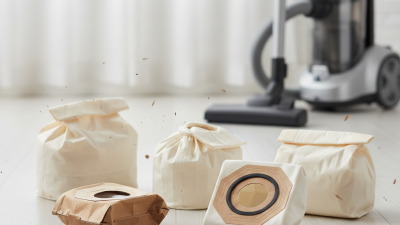
When selecting the right paper dust bag for a vacuum cleaner, many factors require consideration. Richard P. Lander, a respected expert in the cleaning equipment industry, once said, "The right paper dust bag can enhance your vacuum cleaner's performance." This statement sheds light on the importance of choosing the right product.
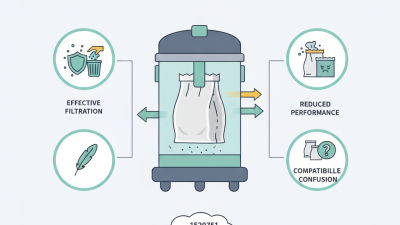
A quality paper dust bag can improve suction power, effectively trapping dust and allergens. Choosing the wrong bag may lead to poor performance and decreased efficiency. Many consumers overlook the specific requirements of their vacuum models. Not all paper dust bags fit every vacuum cleaner, which can lead to compatibility issues. It's crucial to check your manufacturer's guidelines before making a purchase.
In addition, material quality is essential. Not all paper dust bags offer the same durability and filtration capabilities. Consumers may find themselves frustrated when their bags tear or don't filter out fine particles effectively. The right choice might not always be the easiest to make, but it's a decision that pays off in the long run.
Understanding the Importance of Paper Dust Bags in Vacuum Cleaners
Paper dust bags play a vital role in the efficiency of vacuum cleaners. They trap dust, dirt, and allergens effectively, ensuring cleaner air in your home. Using a high-quality paper dust bag can greatly improve the vacuum's suction power. The right bag will reduce the risk of clogs, which can hamper performance.
Choosing the right paper dust bag can be challenging. Many factors come into play, such as size and filtration efficiency. A bag with better filtration captures more tiny particles. However, not all bags are created equal. Some might not fit well, leading to frustrating clean-up experiences. It's essential to assess compatibility with your vacuum model before making a purchase. This is where many users overlook details. They might buy a cheaper option, only to regret it later when it fails.
The environmental aspect also deserves attention. Paper dust bags are often biodegradable, contributing less waste to landfills. However, they must be changed regularly. This is a common mistake; longer intervals may seem convenient but lead to reduced suction. Ultimately, understanding the role of paper dust bags in vacuum cleaners can enhance your cleaning routine, benefiting both your health and the environment.
10 Tips for Choosing the Right Paper Dust Bag for Vacuum Cleaner
| Tip |
Description |
Benefits |
| 1. Check Compatibility |
Ensure the bag fits your vacuum model. |
Avoids functional issues and optimizes performance. |
| 2. Look for High Filtration |
Choose bags with HEPA filtration for better allergen control. |
Improves air quality and traps more dust. |
| 3. Consider Capacity |
Select a bag with adequate size for your cleaning needs. |
Reduces frequency of replacements and increases efficiency. |
| 4. Evaluate Durability |
Look for bags made of robust materials. |
Minimizes the risk of tears and leaks. |
| 5. Read Reviews |
Check user experiences to gauge effectiveness. |
Informs better choices based on real feedback. |
| 6. Compare Pricing |
Assess cost versus features; don’t just choose the cheapest. |
Ensures value for money. |
| 7. Inspect Sealing Mechanism |
Choose bags with strong seals to prevent dust escape. |
Enhances cleaning effectiveness and hygiene. |
| 8. Investigate Brand Reputation |
Research brands known for quality vacuum supplies. |
Increases likelihood of satisfaction and reliability. |
| 9. Check for Environmental Impact |
Select eco-friendly or recyclable options. |
Supports sustainability efforts. |
| 10. Assess Ease of Disposal |
Choose bags that are easy to handle and dispose of. |
Simplifies cleanup and maintenance processes. |
Assessing Compatibility with Your Vacuum Model
When selecting the right paper dust bag for your vacuum cleaner, compatibility with your vacuum model is critical. According to an industry report, nearly 40% of users face issues due to improper fitting bags. Each vacuum model has unique specifications that affect performance. Using the wrong bag can lead to reduced suction power and poorer filtration.
Pay close attention to the dimensions and design of your vacuum. Some models require specific bag sizes or shapes. If the bag doesn’t fit snugly, dust and allergens may escape. Research indicates that up to 75% of allergy sufferers experience worsened symptoms when using incompatible dust bags. It’s vital to consult your vacuum’s manual or manufacturer’s guidelines to ensure proper selection.
Many users overlook the importance of filtration efficiency, which directly ties to compatibility. Not all dust bags filter particulates effectively. A study found that vacuum cleaners using compatible bags improved indoor air quality by 30%. Always consider the filtration capability of the bag type you choose. Ensuring a good match between your vacuum and dust bag ultimately supports cleaner air and a healthier environment.
Distribution of Paper Dust Bag Types for Vacuum Cleaners
Evaluating Filtration Efficiency of Different Paper Dust Bags
When evaluating the filtration efficiency of different paper dust bags, the materials used play a crucial role. Research shows that high-efficiency particulate air (HEPA) filters can capture at least 99.97% of particles as small as 0.3 microns. However, not all paper dust bags are created equal. Some may only achieve 70% efficiency, which is inadequate for those with allergies or asthma.
The construction of the bag affects airflow and suction power. Many studies indicate that thicker paper bags allow for better filtration without obstructing airflow. For example, bags made from multilayered paper can improve filtration efficiency significantly. However, users should consider bag capacity as well. A bag that is too small can fill up quickly and reduce efficiency.
It’s also important to review dust bag ratings available in industry reports. Some analyses suggest that bags designed with advanced filtration technology can reduce dust emissions by up to 50% compared to standard options. These statistics underscore the importance of making informed decisions when selecting paper dust bags for your vacuum cleaner. Relying solely on price may not yield the best results. Consider the long-term impact of better filtration on indoor air quality.
Considering Bag Capacity for Your Cleaning Needs
Choosing the right paper dust bag for your vacuum cleaner is crucial for effective cleaning. One key factor to consider is bag capacity. A larger bag means less frequent changes. If you have a big home or pets, opt for a bag that holds more debris. Smaller bags may fill up quickly and disrupt your cleaning schedule.
Tip: Assess your cleaning needs. If you vacuum often, a medium to large capacity bag is ideal. However, if you clean less frequently or only a small area, a small bag could suffice. Don't underestimate how much dirt accumulates, especially in high-traffic areas.
Another point to reflect on is how the bag fits your vacuum. The wrong size may cause inefficiency. It’s important to ensure that the bag seals properly. An improper seal lets dust escape back into the air. You'll want to breathe clean, not dust-laden air. Remember, not all bags are created equal. Look for quality materials that prevent tearing. This can save you from the hassle of debris spills.
Identifying Quality Indicators for Durable Paper Dust Bags
When selecting a paper dust bag for your vacuum cleaner, quality matters. Look for bags made of multiple layers. This design enhances filtration and traps more dirt. Thick paper construction is a sign of durability. A sturdy bag will resist tearing during use and maintain suction power.
Examine the stitching and seams. Well-stitched bags are often more reliable. Loose threads can lead to dust spills. Consider the bag’s capacity as well. A larger bag means fewer replacements, making your cleaning routine efficient. Pay attention to the filtration system. Good-quality dust bags include HEPA filtration, capturing allergens effectively.
Not all paper dust bags are created equal. Some may not fit properly in your vacuum. Always check compatibility. Read user reviews for insights on durability and performance. This feedback provides real-world perspectives on the product. Making an informed choice can enhance your cleaning experience significantly.