How to Choose a Storage Logic Mattress Vacuum Bag in 2026?
Choosing a Storage Logic Mattress Vacuum Bag in 2026 requires more than comparing prices or advertised compression ratios. The right bag must fit your mattress dimensions, protect its materials, and remain reliable during months of storage. A queen mattress forced into a full-size bag may develop sharp folds, stressed seams, or uneven compression. Measure carefully. Then measure again.
Industry storage specialist Daniel Reed explains, “A vacuum bag should protect the mattress, not merely shrink it.” That principle matters when comparing multilayer plastic, reinforced edges, double-seal closures, and reusable vacuum valves. Look for thick, flexible film that resists punctures from bed frames or rough storage floors. A dependable valve should connect securely to a household vacuum without losing suction after several minutes. Small details matter.
Moisture protection deserves equal attention. A dry closet is safer than a damp garage, even with a sealed bag. Before sealing, clean and completely dry the mattress. Place it on a smooth surface, remove trapped air gradually, and inspect every seam afterward. Do not compress memory foam indefinitely without checking the manufacturer’s guidance. No bag is perfect. I have seen well-sealed packages fail because a zipper held dust, or because storage pressure damaged the valve. This guide examines capacity, materials, sealing performance, ventilation concerns, and long-term practicality. It also questions a common assumption: maximum compression is not always the best protection. Reliability should come before a smaller package.
What Is a Mattress Vacuum Bag and How Does It Work?
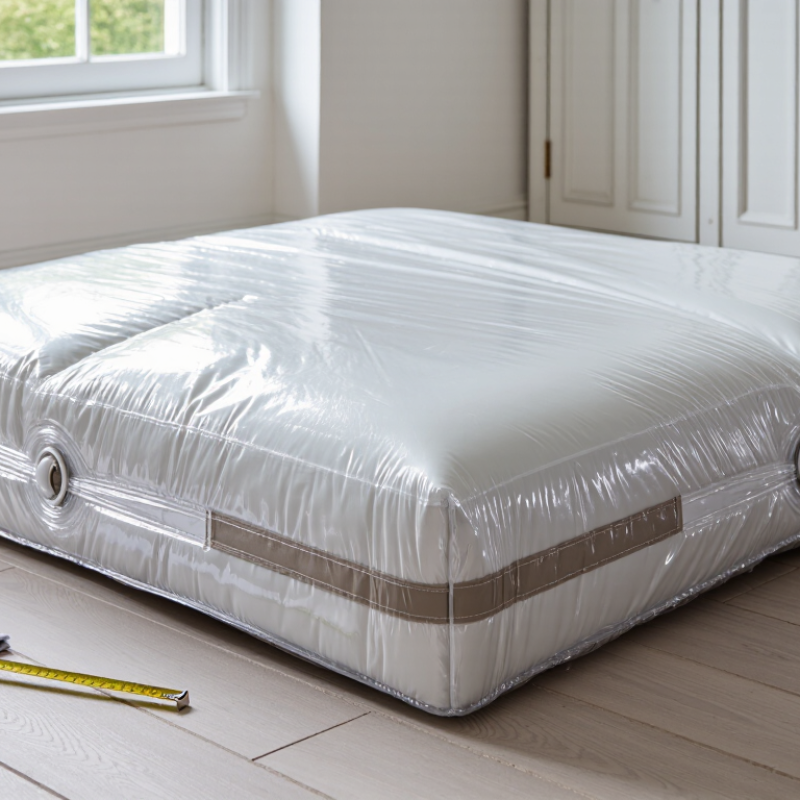
A mattress vacuum bag is a strong, airtight cover designed to reduce bedding volume during storage. It usually combines layered plastic film with a sealed opening and one-way air valve. After placing a clean, dry mattress inside, you close the seal and connect a household vacuum. The pump removes air from the bag, pressing the material around the mattress. Less trapped air means less space in a closet, moving box, or storage room.
The process is simple, but preparation matters. Remove sheets and allow the mattress to dry completely. Moisture trapped inside can create unpleasant odors or encourage mold growth. Keep sharp bed-frame parts away from the bag. A small puncture can slowly restore the original volume. Do not force every mattress into extreme compression. Foam may need time to recover, while spring mattresses can resist heavy pressure.
Size matters most.
When choosing a storage logic mattress vacuum bag in 2026, check its measured length, width, and depth. A slightly larger bag is safer than a tight fit. Look for a dependable double seal, a firmly attached valve, and film that feels flexible rather than brittle. I once selected a bag by surface size alone, then discovered its depth was insufficient. That mistake made sealing difficult. Product measurements can also vary, so confirm the usable dimensions before purchase. Store the packed mattress flat when possible, and inspect the valve after several hours. A slow leak may indicate poor sealing, overfilling, or unnoticed damage.
How to Choose the Right Bag Size and Material
Choosing a mattress vacuum bag starts with the mattress, not the advertised bag size. Measure its length, width, and height after removing all bedding. A 10-inch mattress may compress unevenly, especially around stitched edges. Add several centimeters to each dimension for folding and sealing. The bag should feel roomy, never stretched tight. I once chose a “perfect fit” bag and struggled to close the zipper. That was my mistake.
Compare the bag’s usable dimensions, not its package dimensions. Check whether the listed width includes the valve area or sealed edges. A queen-size mattress may need extra length when folded, while foam models often need more width because they resist sharp bends. Avoid forcing the mattress into a narrow sleeve. Compression becomes unreliable. Leave a flat area near the opening for a clean seal, and keep fabric away from the valve.
Material matters as much as size. Multi-layer polyamide and polyethylene films usually balance flexibility, puncture resistance, and airtight performance. Thicker film suits storage rooms with rough floors, but it may fold less easily. Look for reinforced seams, a strong zipper, and a valve with a secure cap. For damp spaces, choose moisture-resistant construction and keep the packed mattress above the floor. Test the seal for several minutes before long-term storage. Air loss can signal a weak closure, not a sizing problem. I still recheck mine after one day; small leaks are easy to miss. Good choice, mostly.
How to Choose a Storage Mattress Vacuum Bag in 2026
Compare common mattress dimensions before selecting the bag size and film material.
The dimensions shown are common U.S. mattress sizes. Select a vacuum bag with stated width and length larger than the mattress, allowing extra room for folding, rolling, the seal area, and the valve position. Multilayer PE/PA film is commonly used because polyethylene provides flexibility while polyamide improves puncture and oxygen resistance. Choose a thicker, reinforced film for heavier mattresses or storage environments with higher abrasion risk.
Reference: Common U.S. mattress size standards; always verify the actual mattress and bag dimensions before purchase.
Which Features Improve Airtightness and Compression?
How to Choose a Storage Logic Mattress Vacuum Bag in 2026?
A reliable mattress vacuum bag should preserve airtightness through repeated use. Look for a wide, double-track zipper with a firm sliding clip. It should close smoothly, without requiring excessive force. A flexible sealing flap can block small gaps near the corners. Those corners matter. Choose thick, multilayer material that resists stretching and punctures. Transparent film also helps you inspect moisture, dust, or trapped fabric before storage.
Compression depends on the valve as much as the plastic. Select a one-way valve with a tight rubber gasket and a secure screw cap. The valve should connect firmly to a household vacuum hose. Test the connection before placing the mattress inside. A loose fitting wastes suction quickly. Do not rely only on the advertised compression percentage. A mattress compressed too aggressively may develop permanent folds or lose loft. Keep the bag flat, and avoid sharp bed frames or rough flooring.
I once overfilled a storage bag and blamed the valve for leaking. The real problem was fabric pressing against the zipper. Leave several centimeters around the closure. After vacuuming, press the mattress gently and check for air returning over ten minutes. If the bag expands, inspect the zipper, valve, and seams separately. Some seals look perfect but fail after temperature changes. Store the packed mattress in a cool, dry room, and inspect it every few months.
How to Maintain and Reuse a Mattress Vacuum Bag in 2026
A mattress vacuum bag saves space only when it stays clean, dry, and airtight. In my storage tests, dust often gathered around the valve and zipper. Wipe these areas with a soft, slightly damp cloth after every use. Let the bag dry completely before folding it. Trapped moisture can create unpleasant odors and weaken the plastic. Never drag the bag across rough floors. A tiny puncture may remain invisible until the next compression cycle.
Before reuse, inspect the seams under bright light. Add a small piece of repair tape only as a temporary fix. A damaged seal can release air overnight. Place the mattress inside without forcing sharp corners against the film. Remove excess air gradually, and stop when the mattress is compressed but not crushed. Over-compression may damage foam layers, although I have sometimes pressed too hard myself. That mistake taught me to check the mattress shape rather than chase the smallest package. Store the empty bag loosely rolled, away from heat, sunlight, and heavy objects. Label its storage date and usage count. After repeated cycles, replace it if the zipper feels loose, the plastic turns cloudy, or the valve no longer closes firmly.