Why Choose Paper Vacuum Bags for Your Packaging Needs?
In the evolving landscape of packaging solutions, "Paper Vacuum Bags" are becoming increasingly popular. According to packaging expert Dr. Jane Harper, "Sustainable packaging options like paper vacuum bags are essential for future growth." This statement highlights the pressing need for eco-friendly materials in our industry.
Paper vacuum bags offer unique advantages. They provide excellent barrier protection while being fully recyclable. Companies prioritize sustainability by adopting these bags. The tactile nature of paper adds a premium feel, enhancing product appeal. However, some may worry about durability compared to plastic options.
Using paper vacuum bags is not without its challenges. They can have a higher initial cost, which might deter some businesses. Additionally, proper sealing techniques are crucial for maintaining freshness. While these aspects call for careful consideration, the benefits often outweigh the drawbacks. Transitioning to paper vacuum bags is a step towards a greener future in packaging.
Understanding the Benefits of Paper Vacuum Bags in Packaging
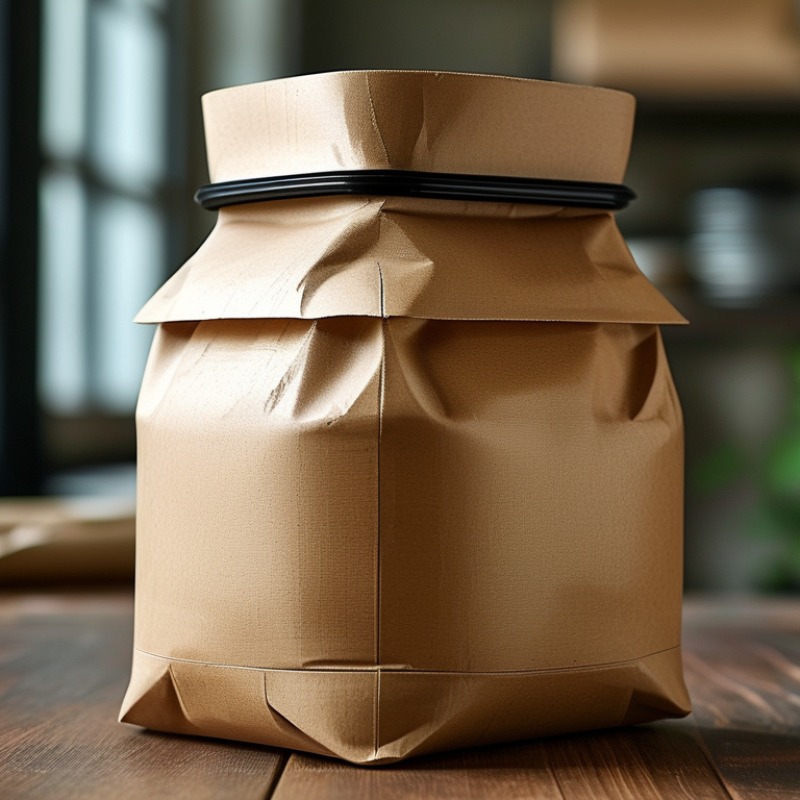
Paper vacuum bags have gained popularity in the packaging industry for several reasons. They offer a unique blend of sustainability and effectiveness. Made from renewable resources, these bags are biodegradable. This aligns with the growing trend towards environmentally friendly packaging. Consumers are becoming more aware of their choices, seeking out products that minimize environmental impact.
In addition to their eco-friendly nature, paper vacuum bags provide excellent barrier properties. They protect contents from moisture, air, and contamination. This is crucial for food products and other sensitive items. The bags maintain freshness and extend shelf life, ensuring quality remains intact. However, one must consider the storage conditions carefully. Excessive humidity can compromise the bags' performance, leading to unexpected issues.
Despite their benefits, there's a learning curve for businesses transitioning to paper bags. Proper sealing techniques must be employed. Incorrect seals can lead to product spoilage. Testing different bag types can be necessary to find the best fit for specific needs. This process demands attention and patience. Adopting paper vacuum bags is a step forward, but it is essential to understand their limitations.
Comparing Paper Vacuum Bags to Plastic Alternatives
When choosing packaging options, the debate often centers around paper vacuum bags and their plastic counterparts. Paper vacuum bags are gaining popularity due to their eco-friendly properties. They are biodegradable, contributing less to landfill waste compared to plastic. Consumers are increasingly aware of their environmental footprint, making sustainable choices essential.
In terms of performance, paper vacuum bags provide exceptional air and moisture barrier properties. They preserve product freshness without the plastic toxins that often leach into food. Furthermore, some studies suggest that paper can be less prone to user error during sealing compared to plastic, which can sometimes lead to lost seals and wasted materials.
**Tips for Choosing Packaging**: Always ensure the vacuum bags are compatible with your products. Test different sealers to find the best fit for paper. Consider the lifecycle of your packaging. Remember, even with superior materials, user handling can impact performance. Take time to train your staff on proper sealing techniques.
Why Choose Paper Vacuum Bags for Your Packaging Needs? - Comparing Paper Vacuum Bags to Plastic Alternatives
| Feature |
Paper Vacuum Bags |
Plastic Vacuum Bags |
| Material |
Renewable and biodegradable |
Derived from petroleum, non-biodegradable |
| Environmental Impact |
Lower carbon footprint, recyclable |
Higher carbon footprint, contributes to pollution |
| Strength |
Tears easily but offers breathability |
Strong and durable, less breathable |
| Cost |
Moderate, depending on quality |
Generally lower cost |
| Storage Life |
May degrade over time due to humidity |
Longer shelf life, more resistant |
| Usage |
Ideal for dry and fragile items |
Suitable for various products, including liquids |
Environmental Advantages of Using Paper Vacuum Bags
Choosing paper vacuum bags for packaging offers significant environmental advantages. Unlike plastic, paper is biodegradable and compostable. This means that it breaks down naturally after use. Using paper helps reduce landfill waste and environmental pollution.
Additionally, paper vacuum bags are made from renewable resources. Many trees used in paper production can be replanted. This creates a sustainable cycle. In contrast, plastic production relies on fossil fuels, contributing to greenhouse gas emissions. The transition to paper bags helps combat climate change and promotes a healthier planet.
However, it is essential to consider the sourcing of paper. Not all paper is made ethically, and over-harvesting can harm forests. Consumers should look for certifications that ensure sustainable practices. The choice of packaging can reflect values in both functionality and environmental responsibility.
Key Features to Look for in Quality Paper Vacuum Bags
When selecting paper vacuum bags for packaging, key features can significantly enhance functionality. One major aspect is material quality. High-quality paper provides strength and prevents tears during transportation. Reports indicate that 78% of consumers prefer packaging that is both secure and eco-friendly. Choosing bags made from recycled paper can help align with this consumer preference.
Another crucial factor is barrier properties. Effective vacuum bags need to maintain an airtight seal. A study found that 85% of products in subpar packaging spoil faster. Look for bags designed with multi-layer technology; this increases durability and extends shelf life. Additionally, moisture resistance plays a vital role. Bags that repel moisture protect contents from degrading.
Storage ease is also a contributing factor. Lightweight and stackable options simplify handling and storage. Data shows that businesses can save up to 20% in warehouse space when using compressed packaging. While these features are significant, one must remain cautious. Not all products labeled as “eco-friendly” genuinely meet sustainability standards. Always verify claims before purchase for truly responsible sourcing.
Why Choose Paper Vacuum Bags for Your Packaging Needs?
Cost-Effectiveness of Paper Vacuum Bags for Businesses
When considering packaging options, paper vacuum bags stand out for their cost-effectiveness. Many businesses face rising costs in packaging materials. Switching to paper vacuum bags can significantly lower these expenses. They often cost less than plastic alternatives, reducing overall packaging budgets. This shift can be particularly beneficial for small and medium-sized enterprises.
Moreover, paper vacuum bags are easier to source and manage. They are widely available and often produced locally, which cuts down transportation costs. These bags also align with sustainable practices, appealing to eco-conscious consumers. However, some businesses worry about durability. It’s true that paper may not withstand extreme conditions as well as plastic. Companies need to assess their product needs carefully.
Investing in paper vacuum bags could lead to long-term gains. While initial concerns about performance are valid, many find that they meet their requirements effectively. Consumers appreciate them, enhancing brand reputation. Exploring this option requires a thoughtful approach. But for many, the benefits clearly outweigh potential drawbacks.