How to Choose the Best Aluminum Foil Bag for Your Needs?
Choosing the right Aluminum Foil Bag can be challenging. Each option has unique features and benefits. Industry expert John Smith once said, "The right bag can protect your product and enhance its shelf life." This statement underscores the importance of making an informed choice.
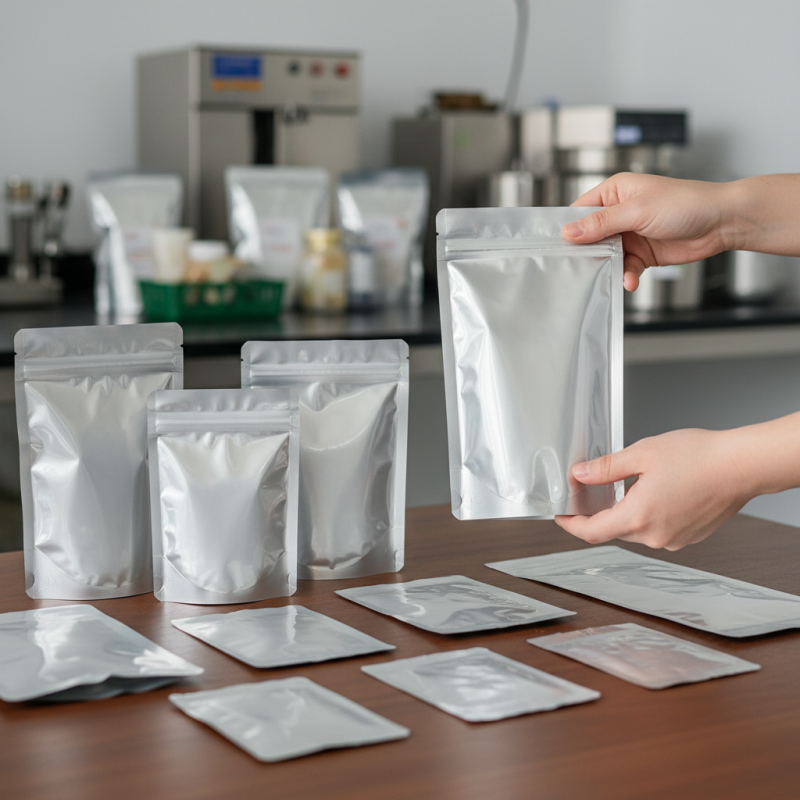
When selecting an Aluminum Foil Bag, consider your specific needs. Different thicknesses and barrier properties serve various purposes. For instance, a thicker bag can better preserve moisture and deter odors, ideal for food items. An average consumer often overlooks these details, leading to unsatisfactory purchases.
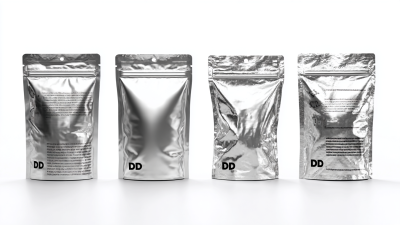
It's easy to fall for flashy designs. However, functionality should always come first. Not all Aluminum Foil Bags are created equal. Reflect on what you truly need. A small mistake in selection could result in product spoilage or waste. Always take the time to assess your requirements carefully.
Understanding Aluminum Foil Bag Materials and Their Properties
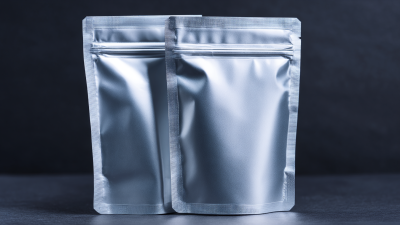
Choosing the right aluminum foil bag rests heavily on understanding its materials and properties. Aluminum foil bags are primarily made from pure aluminum, which provides excellent barrier properties. This material prevents moisture, light, and oxygen from entering, ensuring the contents remain fresh. According to industry reports, up to 90% of the shelf life of products can be extended when stored in these bags.
Thickness is a crucial factor when selecting aluminum foil bags. Thicker bags tend to provide better protection against punctures and tears. A typical thick aluminum foil bag might measure over 5 mil, while thinner options can be around 2-3 mil. However, thicker does not always mean better. In some applications, a lighter bag may reduce overall packaging costs without sacrificing quality.
The temperature resistance of aluminum foil bags is another important characteristic. They can withstand extreme heat, making them suitable for items that require sterilization. That said, not all bags are created equal. Many bags may warp or degrade when exposed to high temperatures for prolonged periods. Careful analysis and testing are essential to ensure the chosen bag meets specific needs. Recognizing these nuances can significantly impact product quality and customer satisfaction.
Key Factors in Selecting the Right Size and Seal for Your Bag
When choosing an aluminum foil bag, size and seal are crucial factors. The right size ensures that your product fits snugly without excess space. A study from the Flexible Packaging Association notes that over 20% of consumers prioritize packaging fit for protection during transport. If the bag is too large, products may shift and become damaged. Conversely, a bag that is too small can lead to compression, causing potential spoilage.
Seal type significantly affects the bag's performance. A strong seal prevents contamination and maintains freshness. Research shows that 35% of customers find leak-proof seals critical for product longevity. Many bags offer heat seals or pressure seals. Heat seals generally provide greater durability but may require specific machinery for application. Pressure seals, while user-friendly, can sometimes fail under stress.
It's essential to also consider the intended use of the bag. For instance, bags meant for high-moisture items need stronger seals to avoid moisture ingress. Yet, many users overlook the importance of this factor. Inadequate sealing could lead to spoilage before the product reaches the consumer. Finding the balance between size, seal type, and intended use will enhance product safety and customer satisfaction.
Common Uses of Aluminum Foil Bags Across Various Industries
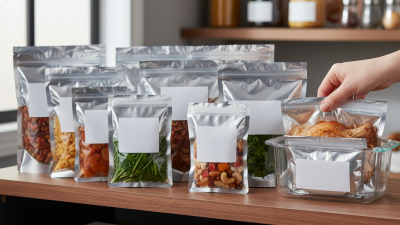
Aluminum foil bags are versatile packaging solutions used across various industries. In the food sector, they are popular for snack packaging. They keep snacks fresh and crunchy. These bags often have a barrier against moisture and light. This can extend the shelf life of products. Restaurants and catering services also use them for food storage. Warm meals can be stored safely for longer periods.
In the pharmaceutical industry, aluminum foil bags serve a different purpose. They protect sensitive medications from moisture and contamination. They are crucial for maintaining quality and efficacy. Some companies choose bags with resealable features. This is practical for users to access medication easily.
Not all aluminum foil bags fit every need, though. Some may not offer adequate sealing or durability. It's important to choose wisely. A bag that works for snacks may not be suitable for pharmaceuticals. Taking the time to assess needs can avoid costly mistakes.
Evaluating Barrier Properties: Moisture, Light, and Oxygen Resistance
When selecting an aluminum foil bag, barrier properties are crucial. Moisture resistance can be the difference between fresh and stale products. High humidity can ruin food and other contents. Look for bags that have a low moisture vapor transmission rate. This rating indicates how much moisture can pass through the material.
Light exposure can also degrade contents. Light can lead to chemical reactions in sensitive items. This is especially true for food and pharmaceuticals. Ideally, choose bags that are opaque. They prevent light from affecting the integrity of the product inside.
Oxygen resistance matters too. Oxygen can cause oxidation, leading to spoilage. A good bag must limit oxygen ingress. Some bags are vacuum-sealed, which helps eliminate air. However, not all bags have this feature. It’s important to weigh the type of contents against the necessity for airtight conditions. The right choice involves evaluating these factors carefully. Mistakes here can lead to wasted efforts.
Cost vs. Quality: Finding the Best Value in Aluminum Foil Bags
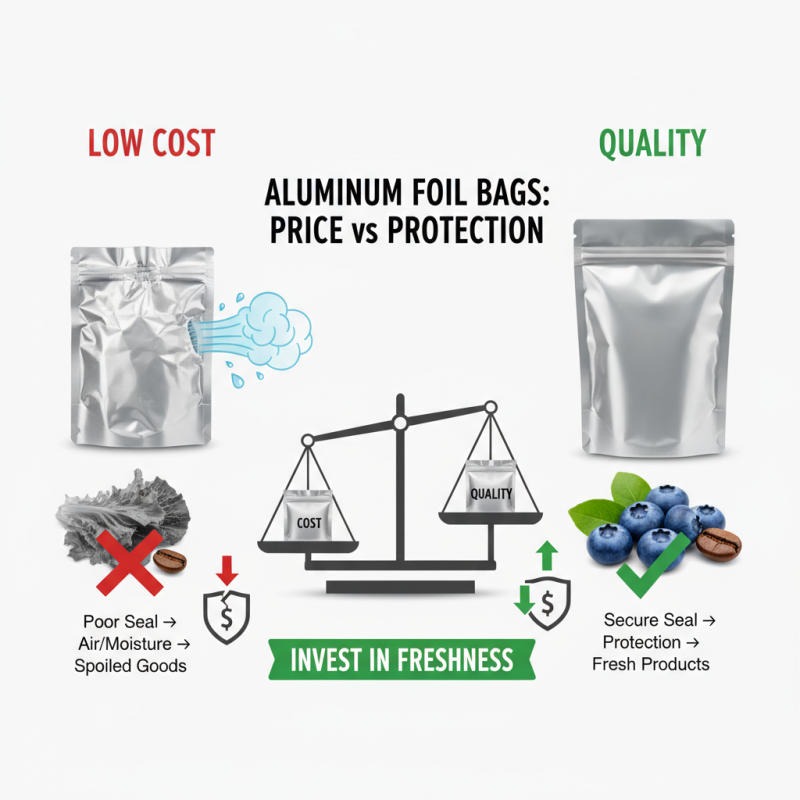
When choosing aluminum foil bags, it's crucial to weigh cost against quality. Many options are available, but the cheapest may not offer the best protection for your items. A low-cost bag might not seal properly, leading to air and moisture exposure. These factors can compromise the freshness of your products.
Consider the thickness of the bags. Thicker bags often provide better protection, but they might come with a higher price tag. You need to find a balance. Consider what you’re packaging. Lightweight items may require less robust options. But for fragile items, investing in quality is essential.
It's easy to get lost in marketing claims. You might assume that expensive options are the best. However, read user reviews to uncover hidden flaws. Sometimes, the middle-priced bags outperform their pricier counterparts. Take time to research. Testing a small quantity before committing is often wise. Reflect on your needs and priorities to make the best choice.