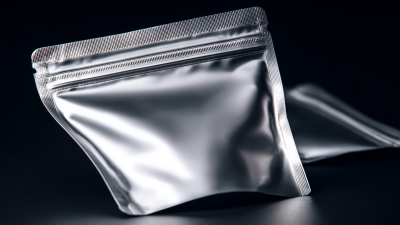
Why Choose Aluminum Foil Bags for Food Storage and Preservation?
Using Aluminum Foil Bags for food storage is becoming increasingly popular. Many experts in the industry, like Dr. Emily Waters, highlight their benefits. She states, "Aluminum Foil Bags offer unmatched protection for food, ensuring freshness and flavor."
Aluminum Foil Bags are not just any packaging. These bags provide a barrier against moisture, light, and oxygen. Foods stored in these bags maintain their quality much longer than those in traditional containers. However, the production process raises concerns about sustainability. Are we overlooking the environmental impact?
In today's market, consumers often seek convenience and preservation. Aluminum Foil Bags deliver on both counts, yet the question remains: are we fully aware of their long-term effects? Balancing convenience with ecological responsibility can be tough. It’s a challenge worth reflecting on as we embrace modern food storage solutions.
Benefits of Using Aluminum Foil Bags for Food Preservation
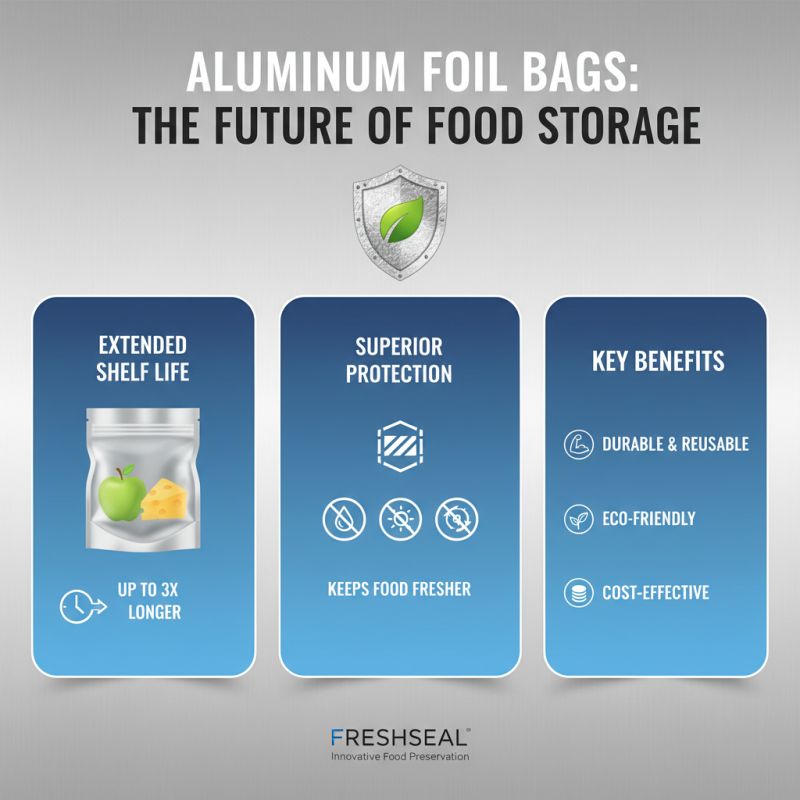
Aluminum foil bags are gaining popularity in food storage due to their many benefits. These bags significantly extend the shelf life of food items. Studies show that food stored in aluminum foil bags can last up to three times longer compared to traditional storage methods. This is mainly due to their excellent barrier properties. They keep moisture, light, and oxygen away.
Using aluminum foil bags also helps in maintaining flavor and nutritional value. Data from the Food Science and Technology Journal indicates that food can retain 90% of its original vitamins when stored properly in these bags. In addition, they are lightweight and easy to transport, making them ideal for outdoor activities or travel. However, some users find them challenging to seal correctly, leading to potential air exposure.
Another consideration is their environmental impact. While aluminum is recyclable, the production process consumes a significant amount of energy. This raises questions about sustainability in the long run. Users need to weigh convenience against environmental concerns. Making an informed choice is vital in achieving the best balance for food preservation.
Comparison of Aluminum Foil Bags with Other Storage Options
When it comes to food storage, aluminum foil bags are often overlooked. However, they offer significant advantages over traditional options like plastic containers and glass jars. According to a recent industry report, aluminum foil bags provide an excellent barrier against moisture, air, and light, which can degrade food quality. In fact, studies show that products stored in aluminum bags retain their freshness for up to five times longer than those in standard plastic options.
Plastic containers, while convenient, often lack the same level of protection. They can be permeable, allowing air and moisture to seep in. This can lead to quicker spoilage. Glass jars, although reusable, can crack easily and are heavier to transport. Additionally, glass doesn't offer the same versatility as aluminum foil bags, which can be easily customized in size and shape. One study highlighted that improperly sealed glass can lead to contamination issues, which further emphasizes the practicality of aluminum.
Despite these benefits, some might find aluminum foil bags less aesthetically pleasing than glass jars. They can feel less sturdy, raising concerns about durability. However, the functional advantages often outweigh these drawbacks. Overall, the choice of storage method impacts food longevity and quality. This is where aluminum stands out, despite its imperfections.
Why Choose Aluminum Foil Bags for Food Storage and Preservation?
| Storage Option |
Oxygen Barrier |
Moisture Resistance |
Light Protection |
Temperature Resistance |
Recyclability |
| Aluminum Foil Bags |
Excellent |
High |
Complete |
-40°F to 300°F |
Yes |
| Plastic Bags |
Low |
Medium |
None |
-20°F to 140°F |
Limited |
| Glass Containers |
Moderate |
High |
Good |
-40°F to 500°F |
Yes |
| Vacuum Sealed Bags |
Excellent |
High |
Fair |
-40°F to 175°F |
Limited |
How Aluminum Foil Bags Enhance Food Freshness and Shelf Life
Aluminum foil bags are an excellent choice for food storage. They keep food fresh longer. Research indicates that these bags can extend shelf life by up to 50%. This is largely due to their barrier properties against moisture, light, and oxygen. All of these elements can cause food spoilage.
Moisture is a primary enemy of food quality. Aluminum foil bags offer a moisture-proof design. This keeps foods like grains and snacks crisp. Studies reveal that foods stored in aluminum foil bags maintain their texture better than those in plastic or paper. This can make a noticeable difference in taste and quality.
Another concern is light exposure. Light can break down nutrients and cause color changes. Aluminum foil bags effectively shield food from harmful light. However, not all foil bags are created equal. Thickness and sealing quality matter much. Investing in higher-quality bags could yield better preservation results. It’s crucial to review options available to make the right choice.
Environmental Impact of Aluminum Foil Bags in Food Storage
Aluminum foil bags offer a sustainable option for food storage. They are lightweight and efficient. According to industry data, aluminum can be recycled endlessly, reducing overall waste. Approximately 75% of aluminum produced is still in use today, highlighting its durability. Recyclability is a key benefit.
However, the environmental impact of aluminum extraction is significant. Mining bauxite, the main source of aluminum, disrupts ecosystems. It leaves scars on the land. This process consumes large volumes of water and energy. A report from the International Aluminum Institute indicates that the production of aluminum generates a considerable carbon footprint.
Furthermore, the recycling of aluminum foil bags can still be complicated. Not all facilities accept them, due to contamination risks. Consumers often need to clean the bags properly before recycling. There is a need for better consumer education on proper disposal methods. By addressing these issues, the benefits of aluminum foil bags can be maximized while minimizing environmental harm.
Environmental Impact of Aluminum Foil Bags in Food Storage
Tips for Properly Using Aluminum Foil Bags for Optimal Results
Aluminum foil bags are increasingly popular for food storage. They offer excellent protection against moisture and light. This is crucial for keeping food fresh longer. However, using them correctly can make a significant difference.
Properly sealing aluminum foil bags is key. Ensure there are no air pockets left inside. This prevents oxidation and spoilage. Make use of heat sealing if possible to create an airtight seal. You might need to experiment with the temperature settings for the best results. A poorly sealed bag can lead to wasted food.
Always label your bags with contents and dates. This simple step helps you track freshness. Sometimes, we forget what’s inside and when it was stored. Organizing your food items can also save time during meal prep. In a busy kitchen, overlooking these details can lead to frustration. Keep a system that works for you; it will pay off in the long run.