China Best Embossing Vacuum Bag for Your Packaging Needs?
In recent years, the demand for innovative packaging solutions has surged globally. The Embossing Vacuum Bag has emerged as a critical component in various industries, including electronics and food packaging. According to industry reports, the global vacuum packaging market is projected to reach USD 30 billion by 2026, with a significant portion contributed by embossing bag technology. This packaging method not only ensures product safety but also enhances aesthetic appeal through its distinctive embossed designs.
Trade shows such as the Canton Fair play a vital role in showcasing new packaging technologies. The 2026 Canton Fair highlights advanced manufacturing and new materials, which underscores the growth potential for embossing vacuum bags. With AI-driven features improving navigation and supplier screening, businesses can easily find certified manufacturers. However, challenges remain in standardization across different markets, which can hinder accessibility.
Investing in premium embossing vacuum bags can differentiate brands in a competitive landscape. Still, companies must reflect on the changing consumer preferences and environmental concerns related to plastic use. Balancing quality, sustainability, and innovation will be essential for success in the evolving packaging industry.
Understanding the Importance of Embossing Vacuum Bags in Packaging
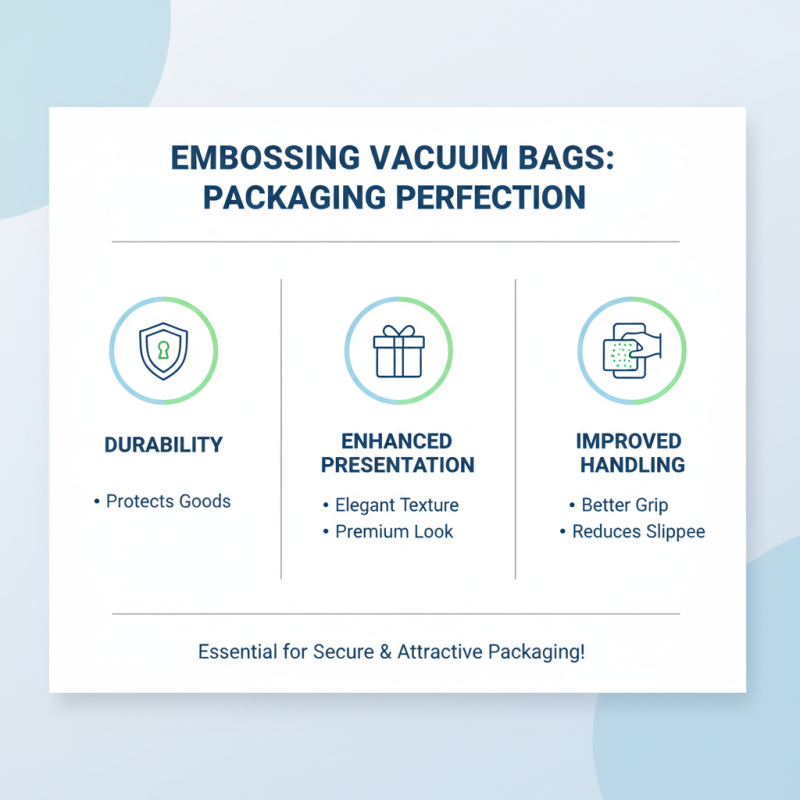
Embossing vacuum bags are essential in packaging. They not only ensure durability but also enhance the overall presentation of the packaged goods. These bags offer a unique design that creates a texture, improving grip during handling. This feature is particularly beneficial in busy environments where items may slip easily.
Vacuum bags with embossing technology can even extend the shelf life of products. The embossed surface leads to better air removal, making it harder for moisture to enter. However, there can be challenges. Sometimes, the embossing process can compromise the bag's seal if not executed correctly. This creates a risk for products that require complete airtight storage.
Despite these potential pitfalls, many businesses are turning to embossed vacuum bags. They find that the benefits often outweigh the risks. The visual appeal makes products stand out in a competitive market. Yet, the industry must continuously evaluate production processes. Finding the right balance between aesthetics and functionality is crucial for success.
Key Features of China's Best Embossing Vacuum Bags
China offers high-quality embossing vacuum bags that meet various packaging needs. These bags are often made from durable materials like nylon and polyethylene. Their structural integrity ensures long-term protection, which is crucial for preserving food and other perishables. According to industry reports, using vacuum packaging can extend shelf life by up to 5 times compared to traditional methods.
Key features of these bags include multi-layer construction and custom sizes. Multi-layer bags provide superior barrier properties. They can block moisture, air, and contaminants effectively. Custom sizes enable businesses to optimize packaging for different products, reducing waste and lowering shipping costs. Industry data shows that tailored packaging can improve efficiency by as much as 20%.
Despite these advantages, some challenges remain. Not all suppliers adhere to strict quality standards. This inconsistency can affect the effectiveness of the bags. Companies need to conduct thorough evaluations when choosing a supplier. Ensuring compliance with health and safety regulations is also vital. Regular assessments can help mitigate risks and enhance product safety.
Key Features of China's Best Embossing Vacuum Bags
| Feature |
Description |
Benefits |
| Material |
High-quality PE/PA blend |
Durability and flexibility |
| Thickness |
Varies from 70 to 120 microns |
Enhanced strength and puncture resistance |
| Embossing Design |
Unique channel structure |
Improved air removal and vacuum sealing |
| Seal Strength |
Strong heat seal capability |
Long-lasting freshness and shelf life |
| Sizes Available |
Custom sizes upon request |
Versatility for different packing needs |
| Food Safety |
Meets FDA requirements |
Safe for food packaging |
Applications of Embossing Vacuum Bags in Various Industries
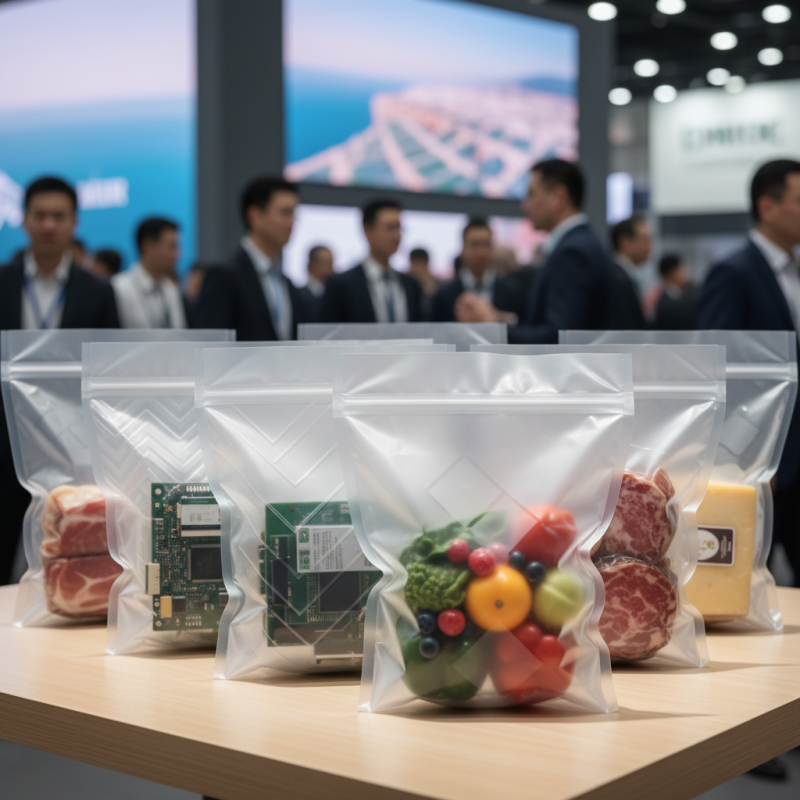
Embossing vacuum bags serve a vital role in packaging across various industries. Their unique design provides enhanced protection for goods during storage and transport. In the food industry, for instance, vacuum packaging can extend shelf life by up to 5 times. This is crucial for perishable items. A study indicated that 70% of retail customers consider packaging as a key factor in their purchase decisions.
In the pharmaceuticals sector, embossing vacuum bags ensure the integrity of temperature-sensitive medications. Data shows that more than 30% of drugs are wasted due to inadequate packaging. Companies are increasingly turning to sophisticated vacuum bag solutions to mitigate losses. The automotive industry also benefits significantly. Many manufacturers utilize these bags for parts storage, reducing contamination risks.
Yet, challenges exist. Not all materials used in vacuum bags are eco-friendly. In fact, the recycling rates for these bags remain low. Only 25% of consumers know how to dispose of them correctly. This lack of awareness indicates room for improvement in sustainability efforts. Additionally, businesses might face rising costs due to fluctuating raw material prices, presenting another aspect that requires careful consideration.
Applications of Embossing Vacuum Bags in Various Industries
Comparative Analysis of Different Manufacturers in China
When considering vacuum bags for packaging, it's essential to evaluate different manufacturers in China. Recent industry reports highlight that over 60% of vacuum bag production occurs in this region. Many suppliers offer a range of materials, thicknesses, and sealing technologies. However, not all manufacturers meet the same quality standards.
One key finding indicates that only 40% of the manufacturers undergo regular quality inspections. This inconsistency raises concerns about the durability and reliability of their products. For instance, users reported issues like seal failures and insufficient barrier properties. These issues can lead to spoilage or damage during transportation, which is unacceptable for businesses aiming for excellence.
Moreover, there is a lack of standardization in sizes and designs. While some manufacturers offer customized options, others provide limited selections. This discrepancy makes it challenging for businesses to find perfectly suited solutions. In a competitive market, it is crucial to weigh the benefits and drawbacks of each manufacturer carefully. Potential buyers must conduct thorough research and visit factories if possible, ensuring they choose the right partner for their packaging needs.
Tips for Selecting the Right Embossing Vacuum Bag for Your Needs
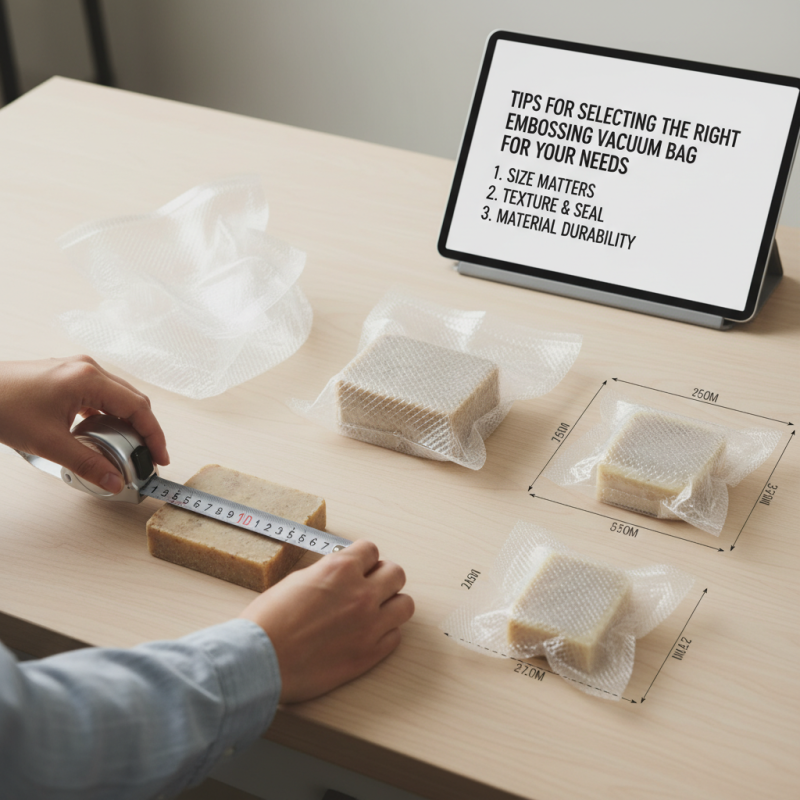
Choosing the right embossing vacuum bag can be a daunting task. First, consider the size of your packaging needs. You want a bag that fits well, ensuring your products are secure. Too large can lead to shifting; too small may cause damage. Measure your items accurately before shopping.
Material is another important factor. Look for bags made from durable materials that resist punctures and tears. This helps protect your products during storage and transport. Additionally, consider the thickness of the bag. Thicker bags are usually more robust but can be bulkier. Find a balance that suits your needs.
Finally, think about sealing quality. A vacuum bag should seal tightly to eliminate air. Poor sealing can compromise the freshness of food items or damage delicate products. Test the sealing mechanism if possible. Don't hesitate to ask questions. Sometimes, what seems perfect may not serve your purpose. Reflect on your choices carefully to avoid regrets later.