Leave Your Message
Storing pillows between seasons seems simple, until a closet shelf becomes crowded and dusty. Vacuum Storage Bags For Pillows can reduce bulky volume and protect clean bedding from moisture, odors, and household dust. They are especially useful for guest pillows, spare cushions, and seasonal bedding in small apartments.
The method still requires care. A pillow should be completely dry before sealing, because trapped moisture may create an unpleasant smell or encourage mildew. Check the care label first. Down, feather, polyester, and memory foam pillows can respond differently to strong compression. Some foam pillows should not be vacuum-sealed at all. That detail matters.
Do not fill the bag until it is rigid. Leave space around the pillow, smooth sharp corners, and remove air gradually. Watch the seams while using the vacuum. A slow seal is easier to inspect than a rushed one. After storage, open the bag in a clean, dry room and allow the pillow to regain its shape. Give it time.
I have found that less compression often preserves comfort better. The most compact result is not always the safest result. One detail remains easy to overlook: storage location. Keep sealed pillows away from direct sunlight, hot pipes, and damp floors. A cool closet is usually better than a garage. This guide explains practical steps, material-specific precautions, and common mistakes, while recognizing that manufacturer instructions should remain the final authority.
2026 How to Use Vacuum Storage Bags for Pillows?
What Are Vacuum Storage Bags and Why Use Them for Pillows?
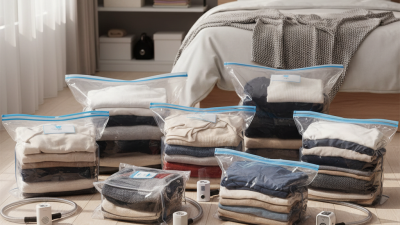
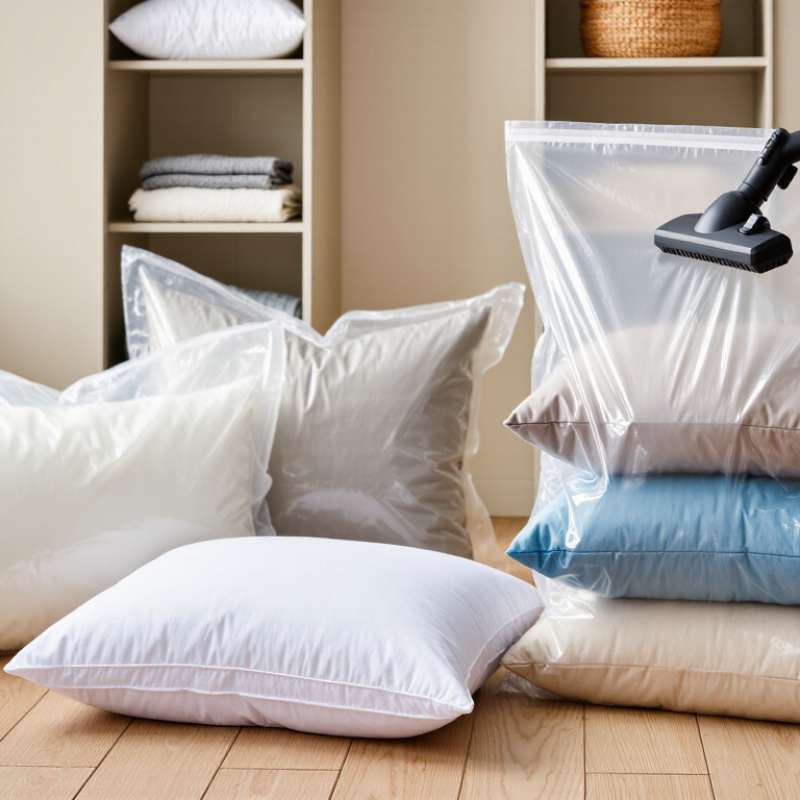
Vacuum storage bags are flexible, airtight pouches with a valve that removes trapped air. A pump compresses the bag and reduces its overall size. For pillows, this can free valuable closet space and limit exposure to dust, odors, and occasional moisture. It also keeps spare pillows contained during seasonal storage or moving.
I once packed a slightly damp pillow, assuming the bag would protect it. That assumption was wrong. Any pillow must be completely dry before sealing, or trapped moisture may create unpleasant smells and encourage mildew. Check the care label first, especially for down, feather, or memory-foam pillows. Some materials can lose their shape when compressed for too long. Use gentle compression, not the smallest possible package. After opening, shake the pillow and leave it in a dry, ventilated room until it regains volume.
Tips: Fold the pillow loosely and avoid sharp objects near the bag. Press the valve cap firmly after removing air. Label the storage date. Inspect the seal every few months. For long-term storage, brief compression may be safer than constant pressure, although I would still check the pillow regularly. Storage bags save space, but they cannot replace clean, dry storage.
| Data Dimension | Practical Reference | How It Helps | Important Consideration |
|---|---|---|---|
| What a Vacuum Storage Bag Is | An airtight plastic bag with a one-way valve that allows air to be removed using a vacuum cleaner or hand pump. | Removing air reduces the package volume and creates a barrier against dust, moisture, and household odors. | The bag must be completely dry and properly sealed before storage to reduce the risk of trapped moisture and mildew. |
| Suitable Pillow Materials | Polyester fiberfill, cotton, wool, and many down or feather pillows can generally be compressed for short-term storage when the care label permits it. | These materials can temporarily occupy less space when air is removed from the surrounding package. | Always check the pillow manufacturer's care instructions, especially for down, feather, latex, and memory-foam products. |
| Materials to Avoid Compressing | Latex foam and memory foam should not normally be stored in a tightly compressed vacuum bag unless the care instructions specifically allow it. | Long-term compression can affect the shape, resilience, or recovery time of foam materials. | A breathable storage cover is usually safer for foam pillows. Do not use a vacuum bag if the pillow remains damp or has a strong cleaning odor. |
| Typical Volume Reduction | Approximately 50%–75% for many fiber-filled pillows, depending on filling, loft, bag size, and the amount of air removed. | The reduction can free considerable closet or under-bed storage space compared with an uncompressed pillow. | This is an estimate rather than a guaranteed result. Dense fillings and highly resilient materials may compress less. |
| Recommended Bag Size | Choose a bag that is wider and longer than the pillow when it lies flat, leaving room for the zipper to close without tension. | Adequate space helps the pillow lie evenly and reduces stress on the zipper and seams. | An oversized bag may require more air removal and can be harder to organize; an undersized bag may damage the closure or distort the pillow. |
| Preparation Before Sealing | Wash or air the pillow as directed, dry it completely, remove loose objects, and fold it gently without sharp bends. | Clean, dry contents are less likely to develop odors, stains, or microbial growth during storage. | Do not seal a pillow immediately after washing. Allow all internal filling to dry thoroughly, not just the outer fabric. |
| Air Removal Method | Use a compatible vacuum cleaner or manual pump and stop when the pillow is compact but not crushed flat. | Moderate compression saves space while placing less stress on the filling and seams. | Do not force the bag into a rigid shape or continue vacuuming after the material stops reducing in volume. |
| Storage Position | Store the sealed bag flat or upright in a cool, dry indoor location away from direct sunlight and sharp objects. | Stable indoor conditions help protect the plastic film, zipper, and pillow filling. | Avoid hot attics, damp basements, and areas with large temperature changes, which may increase condensation or material aging. |
| Inspection Interval | Inspect the seal and bag condition every 2–3 months during extended storage. | Early detection of leaks, punctures, or moisture allows the pillow to be repacked before damage occurs. | If air returns quickly, check the zipper, valve, and seams for dirt or damage before resealing. |
| Recommended Storage Duration | Use short- to medium-term compression for most pillows; reopen and air the pillow periodically during long storage. | Periodic airing helps restore loft and reduces the chance of persistent odors or compression-related deformation. | For seasonal or extended storage, follow the care label and avoid leaving foam pillows tightly compressed for prolonged periods. |
| Reopening the Bag | Open the valve or zipper slowly, remove the pillow, and gently shake, fluff, and reshape it. | Gradual decompression helps the filling recover more evenly and allows the pillow to regain its normal loft. | Allow the pillow to air in a clean, dry place before use. Recovery may take several hours depending on the filling. |
| Main Benefits | Space saving, protection from dust, easier seasonal organization, and clearer separation from other stored textiles. | Compressed pillows are easier to stack or place under a bed, in a closet, or in a storage container. | Vacuum storage does not replace proper cleaning, complete drying, or compliance with the pillow's care instructions. |
Note: Compression results vary according to pillow size, filling material, moisture level, bag dimensions, and sealing quality. Always prioritize the pillow care label over general storage guidance.